
September 24, 2026
Make toddler activity changes more predictable
Make activity changes easier to follow: name what is ending, say what comes next, and offer one safe way for your toddler to help.
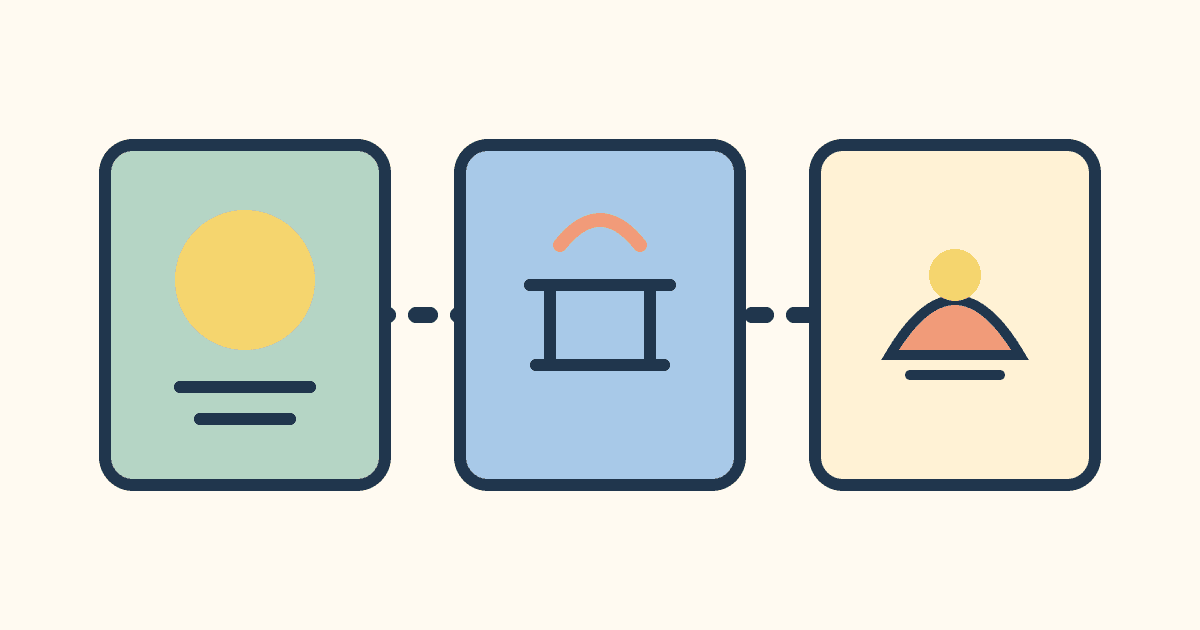
A transition is the change from one activity to another, such as leaving play to wash hands. A simple, repeatable cue can show what is happening next: name the current activity, give a brief notice, and describe the next step. The CDC recommends predictable, simple routines and explaining changes when a child is calm enough to listen. CDC routines and change guidance UNICEF responsive routines for children aged 0–2
Key takeaways
- Use a short cue your family can repeat instead of many new instructions.
- Name both sides of the transition: what is ending and what happens next.
- Offer a small helper role or two acceptable choices when it fits.
- Keep the routine flexible when your child's care needs or the day changes.
| Play to mealtime | “One more block, then we wash hands and eat.” |
|---|---|
| Leaving the house | Show the shoes or bag and say where you are going next. |
| A routine changes | Explain the change during a calm moment and repeat the new order. |
| Your child is tired or upset | Meet the immediate need first, then try the next step with support. |
Build a now-next cue
- Choose one transition that often feels rushed, such as putting toys away before a meal.
- When your child is calm, settle on a short phrase, gesture, or picture that means the change is coming.
- Say what is happening now and what comes next. Avoid a long explanation when your toddler is already upset.
- Offer a simple part in the change, such as carrying a napkin, while keeping the adult responsible for safety and timing.
What you can observe
Notice which transition was hard, the cue you used, what your toddler did, and whether hunger, fatigue, a visitor, or a schedule change played a part. Look for patterns across several days rather than expecting one phrase to work every time.
What is useful to record
A short note can capture “after bath → pajamas → book,” which cue helped, and where you needed to slow down. This is a record of family routine, not a rating of cooperation.
A question for your clinician
You might ask a clinician or educator: “Could my child's routine, language, or sensory needs be affecting these changes, and what one adjustment should we try first?”
Limits of this guide
No single routine works for every family or child. A visual, song, or countdown is an optional aid, not a treatment and not a requirement. Tracking is not diagnosis; discuss persistent daily difficulties or other concerns with a qualified clinician.
Routines can also be a place for low-pressure learning; see the everyday learning and play-break guides. learning in everyday routines noticing when a baby needs a play break
Sources
Every figure in this guide traces to one of these sources.
- CDC — Tips for Relying on Routines and Rules
- UNICEF East Asia and Pacific — Smart Futures: Routine activities
- UNICEF Indonesia — Preparing your child for preschool
General information, not medical advice. Talk to your pediatrician about your own child.

- Category
- Parenting · Child development
- Type
- Baby milestone & activity companion
- Compatibility
- iPhone (iOS) and Android
- Business model
- Free to start, for little ones 0–24 months
 Press ContactThe Learning Time team