
September 23, 2026
Naming feelings with your toddler
Use short feeling words during calm everyday moments. Name what you see without guessing too much, accept the feeling, and offer simple support.
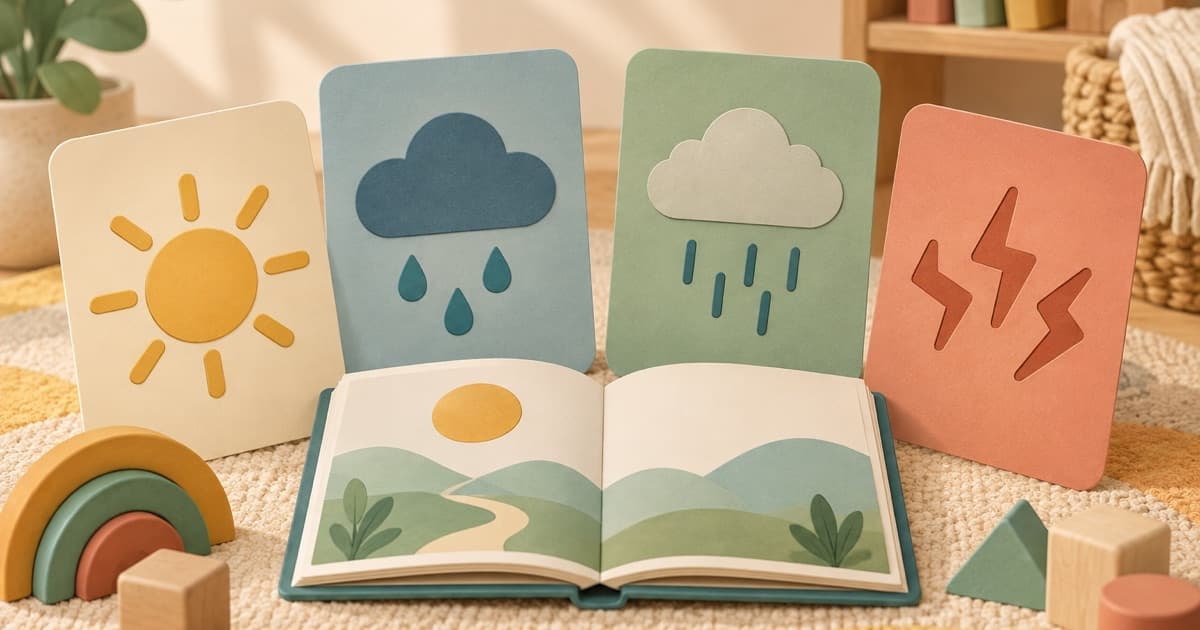
Toddlers often show a feeling before they can name it. Use one simple word tied to what you can see: “You look frustrated; the lid is stuck.” Keep your voice calm, accept the feeling, and offer help or a safe choice. Naming is a language tool, not a demand to calm down immediately.
Key takeaways
- Name observable cues and leave room for your toddler to disagree.
- Use simple words such as happy, sad, worried, or frustrated.
- Connect first; discuss choices after the intense moment passes.
- Do not turn feeling words into labels for the child.
| Name | “You look frustrated; the block keeps falling.” |
|---|---|
| Connect | “I am here. It is okay to feel frustrated.” |
| Help | “Do you want help, a hug, or a break?” |
| Revisit | Talk briefly after calm returns; do not lecture during distress. |
Practise when the day is calm
- Point to a face or situation in a familiar picture book.
- Offer one feeling word and one visible clue.
- Show the feeling gently with your voice or body, without exaggerating distress.
- Return to the word later in a real, ordinary moment.
What you can observe
Notice whether your toddler looks at your face, points to the picture, copies a word or gesture, or seeks comfort. CDC's two-year examples include noticing when another person is hurt or upset. That example does not mean a child must correctly label every emotion.
What is useful to record
Write the situation, the cue you saw, the word you used, and what helped. Avoid recording “tantrum” alone; “cried when play ended, reached for me, settled after a hug and quiet pause” carries more context.
A question for your clinician
You might ask: “How can we support communication and regulation at this age, and are the patterns I am seeing worth assessing?” Bring examples across sleep, meals, play, and transitions when relevant.
Limits of this guide
A feeling word is not a diagnosis, and behaviour has many possible causes, including fatigue, hunger, pain, stress, and communication difficulty. Tracking is not diagnosis. Seek qualified help for persistent withdrawal, distress, harm, regression, or any concern.
Continue with the play-break and serve-and-return guides. when your baby needs a play break serve-and-return play
Sources
Every figure in this guide traces to one of these sources.
- CDC — Milestones in Action: By 2 Years
- UNICEF East Asia and Pacific — Positive parenting for ages 0–5
- Kementerian Kesehatan RI — Buku KIA 2024
General information, not medical advice. Talk to your pediatrician about your own child.

- Category
- Parenting · Child development
- Type
- Baby milestone & activity companion
- Compatibility
- iPhone (iOS) and Android
- Business model
- Free to start, for little ones 0–24 months
 Press ContactThe Learning Time team