
September 14, 2026 · Updated: September 14, 2026
The baby record your pediatrician can use
Turn everyday observations into a clear pediatrician visit: what happened, when, in which language, and what question you want answered.
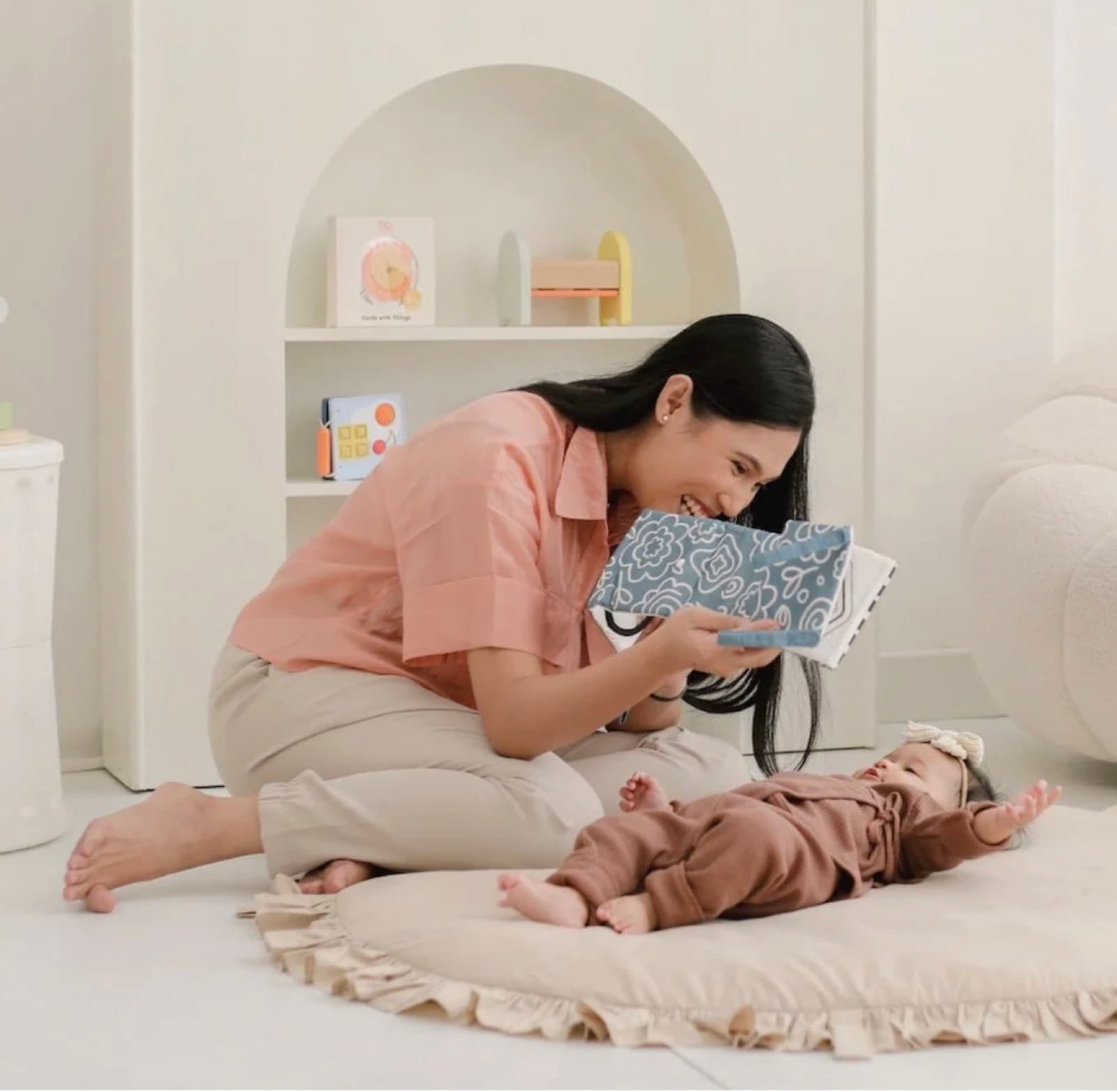
Parents often remember the headline and lose the context: “she started crawling” or “he is not talking yet.” A pediatrician can help more when the record shows the pattern around that headline. Bring a few dated examples from ordinary play, meals, dressing, and family conversation.
Start with a small, honest snapshot
You do not need to observe your child all day. Choose two or three moments from the past week that you can describe plainly. A note can include a success, a question, and a change. This balance keeps the appointment grounded in your child’s whole day rather than one worrying search result.
- One thing your child does often.
- One skill that is beginning or needs support.
- One question you want answered before you leave.
The four details to write down
- What happened: the exact action, sound, gesture, or interaction.
- When and where: the date, routine, and setting.
- What support was offered: a toy placed nearby, a hand held, or no help.
- What changed: whether it is new, repeated, or a skill your child no longer shows.
Questions worth asking
- Does this pattern fit my child’s age and history?
- Would a developmental screening or hearing check be useful?
- Should we use corrected age because my baby was born prematurely?
- What should I watch or record before our next visit?
A note template you can copy
| Date | When did you notice it? |
|---|---|
| Moment | What did your child do, say, or show? |
| Context | What was happening and what help was offered? |
| Question | What would you like the clinician to explain? |
The CDC describes developmental monitoring as an ongoing process of noticing, sharing, and acting. A record supports that conversation; it does not replace the clinician’s assessment.
Bring both languages
If your family uses English, Indonesian, or another language, note the language of each sound, word, and instruction. Count communication across the languages your child hears. Tell the clinician who speaks which language and in which routines; that context prevents a one-language snapshot from understating what your child understands and expresses.
When not to wait
Call sooner if your child loses a skill, you see a marked difference between sides of the body, or a concern is affecting feeding, movement, hearing, or interaction. A record makes the call clearer, but you do not need a perfect log before asking for help.
Emomo keeps these moments together across four pillars so the record can travel with you to a visit. The goal is a more useful conversation, with less time trying to remember and more time deciding what support fits.
Frequently asked questions
What should I tell my pediatrician about development?
Share dated examples, the setting, how much help your child needed, the languages used, what repeats, and any skill that disappeared. Bring questions, not just a milestone list.
Should bilingual families record both languages?
Yes. Note which language your child heard and used, and count communication across both languages. A one-language count can understate a bilingual child’s vocabulary and understanding.
Do I need a perfect record before calling?
No. A concern or loss of a skill is enough reason to call. Notes can make the conversation clearer, but do not delay care while building them.
Sources
Every figure in this guide traces to one of these sources.
- CDC, “Learn the Signs. Act Early.” developmental milestones
- CDC — Milestones by 9 months
- Noritz & Murphy et al., “Recognition and Management of Motor Delay and Muscle Weakness in Children,” American Family Physician
General information, not medical advice. Talk to your pediatrician about your own child.

- Category
- Parenting · Child development
- Type
- Baby milestone & activity companion
- Compatibility
- iPhone (iOS) and Android
- Business model
- Free to start, for little ones 0–24 months
 Press ContactThe Learning Time team