
September 18, 2026 · Updated: September 24, 2026
Using family languages with your baby
Use the languages your family speaks naturally during daily care and play. Hearing more than one language does not itself cause a communication delay.
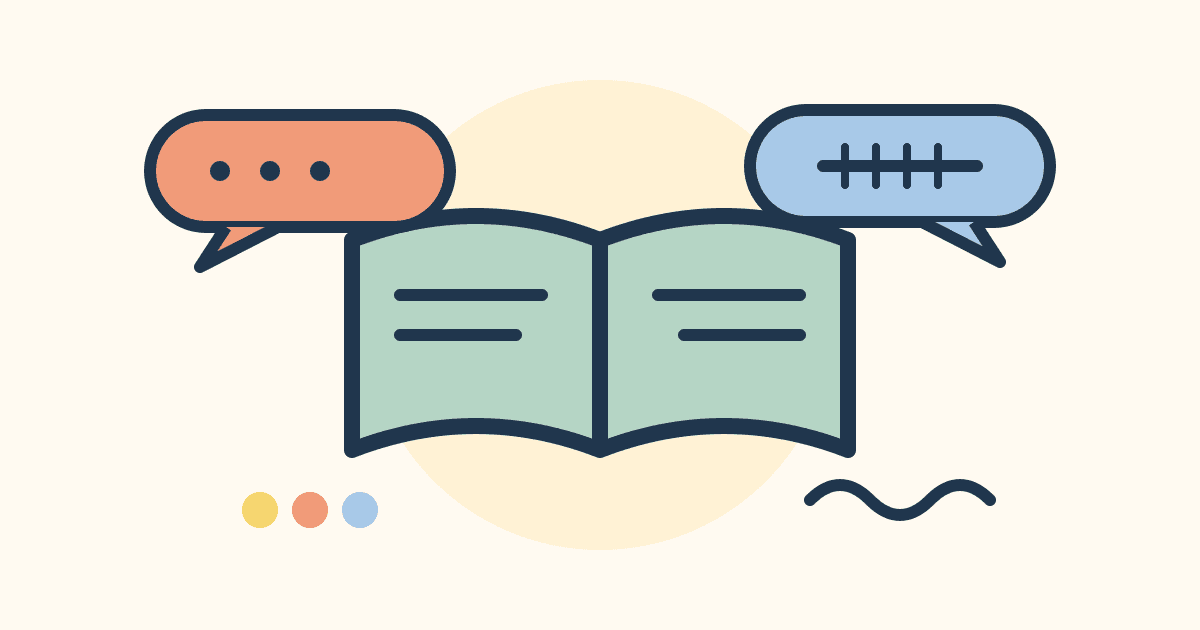
A baby learns language through people, long before a first word. Speak, respond, sing, and read in the languages you actually use at home. The AAP says exposure to more than one language does not itself cause communication delay. A child may use different words with different people; that pattern alone is not a diagnosis. AAP multilingual family guidance
Make each language part of real moments
- Name what you are doing during a feed, bath, or walk in the language that feels natural.
- Pause for a sound, look, or gesture and respond to it.
- Let grandparents and caregivers use the language they know well.
- Share a book or song without testing how many words the baby repeats.
| Where and with whom | Record which languages the baby hears with each caregiver. |
|---|---|
| What you noticed | Write a concrete sound, gesture, or word and the situation. |
| What to ask | Ask how a concern should be assessed across all languages used by the family. |
A clinician should hear about communication across all family languages, rather than judging a single-language snapshot. If you have a concern, describe it and ask about assessment; do not stop a family language as a substitute for care. The AAP notes that evaluation can involve an interpreter when needed. AAP on multilingual assessment
Use the shared-reading guide for an easy interaction and the first-words guide for the broader language question. An Emomo note can preserve a real example. Tracking is not diagnosis; individual communication concerns belong with a qualified clinician. reading together first words
Sources
Every figure in this guide traces to one of these sources.
General information, not medical advice. Talk to your pediatrician about your own child.

- Category
- Parenting · Child development
- Type
- Baby milestone & activity companion
- Compatibility
- iPhone (iOS) and Android
- Business model
- Free to start, for little ones 0–24 months
 Press ContactThe Learning Time team