
Guide · 2 min read
Tummy time: when to start and how long
Tummy time can start in the first days after birth, in short sessions while your baby is awake and watched. For sleep, always place your baby on their back.
On this page3 sections
Put your baby on their tummy only when awake and you can stay close and watch. Try a brief, comfortable play moment on a clear surface or against your chest while you are awake. If your baby falls asleep, move them to a safe sleep space and place them on their back. Tummy time is play, never a sleep position. Sources: NIH awake-and-watched guidance, AAP tummy-time guidance
When to start and how long
According to NIH, most babies can start tummy time a day or two after birth. Begin with two or three short sessions a day, about 3 to 5 minutes each, and lengthen them as your baby grows. By about 2 months, pediatricians recommend 15 to 30 minutes in total each day. That total can be spread through the day; if your baby fusses or tires, stop and try again later. Source: NIH tummy-time tips
Three ways to start
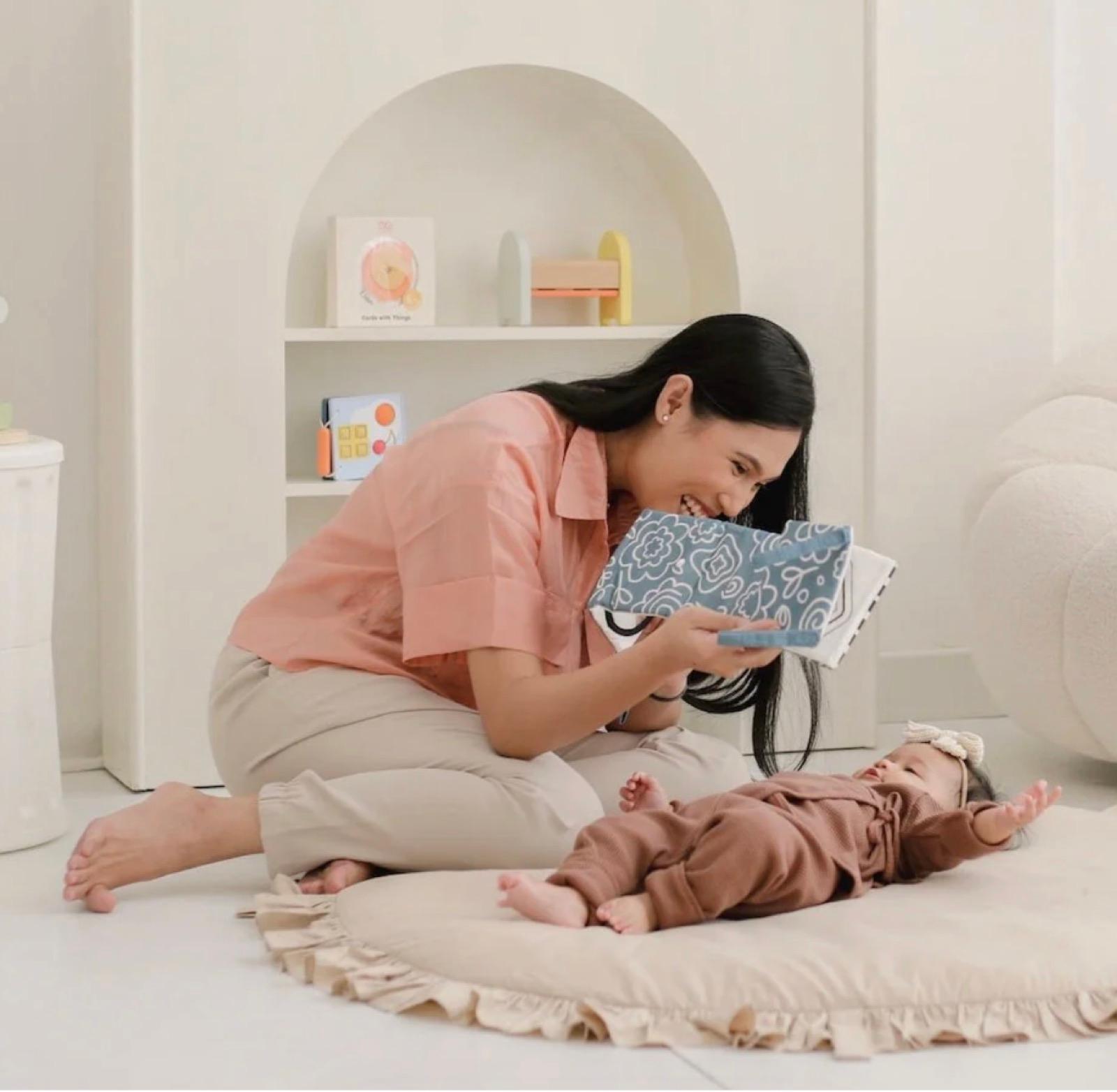
- Get face-to-face at floor level and talk or make a gentle expression.
- Hold baby tummy-to-tummy on your chest while you are alert and able to supervise.
- Try a short lap play moment with head support; stop or change position if baby needs a break.
AAP describes chest and lap play as options and emphasizes continuous supervision. Treat the minutes above as a guide: within each session, follow your baby and keep it a pleasant interaction. If your baby was premature or has a health condition, ask their clinician how to adapt positioning. Source: AAP activity and supervision advice
A play and sleep decision aid
| Awake and watched | A short tummy play moment may be appropriate. |
|---|---|
| Caregiver needs to step away | End tummy time and use a safe place for baby. |
| Baby falls asleep | Move baby to a safe sleep surface and place on their back. |
| Medical or positioning question | Ask a qualified clinician for individual guidance. |
Notice whether your baby looks toward you, moves their head, or signals that they want a pause. You can record the activity and what seemed comfortable without rating performance. The milestone overview gives broader motor context; the noticing guide helps you keep a brief parent-kept record. Tracking is not diagnosis. See also: milestone overview, noticing guide
Ask a qualified clinician if positioning causes concern, if your baby has special health needs, or if you worry about development. A single play session cannot tell you whether a baby is developing as expected. Sleep-safety advice applies every time, even when tummy play goes well. Source: NIH sleep and tummy-time distinction
Sources
Every figure in this guide traces to one of these sources.
- NIH Safe to Sleep — Benefits of Tummy Time
- AAP — 3 Tummy Time Activities to Try With Your Baby (2023)
- Kementerian Kesehatan RI — Buku KIA 2024
General information, not medical advice. Talk to your pediatrician about your own child.

- Category
- Parenting · Child development
- Type
- Baby milestone & activity companion
- Compatibility
- iPhone (iOS) and Android
- Business model
- Free to start, for little ones 0–24 months
 Press ContactThe Learning Time team