
October 5, 2026
Set up your baby’s safe sleep space
Place baby on their back on a firm, flat, separate sleep surface with a fitted sheet and no loose items. Follow current local guidance.
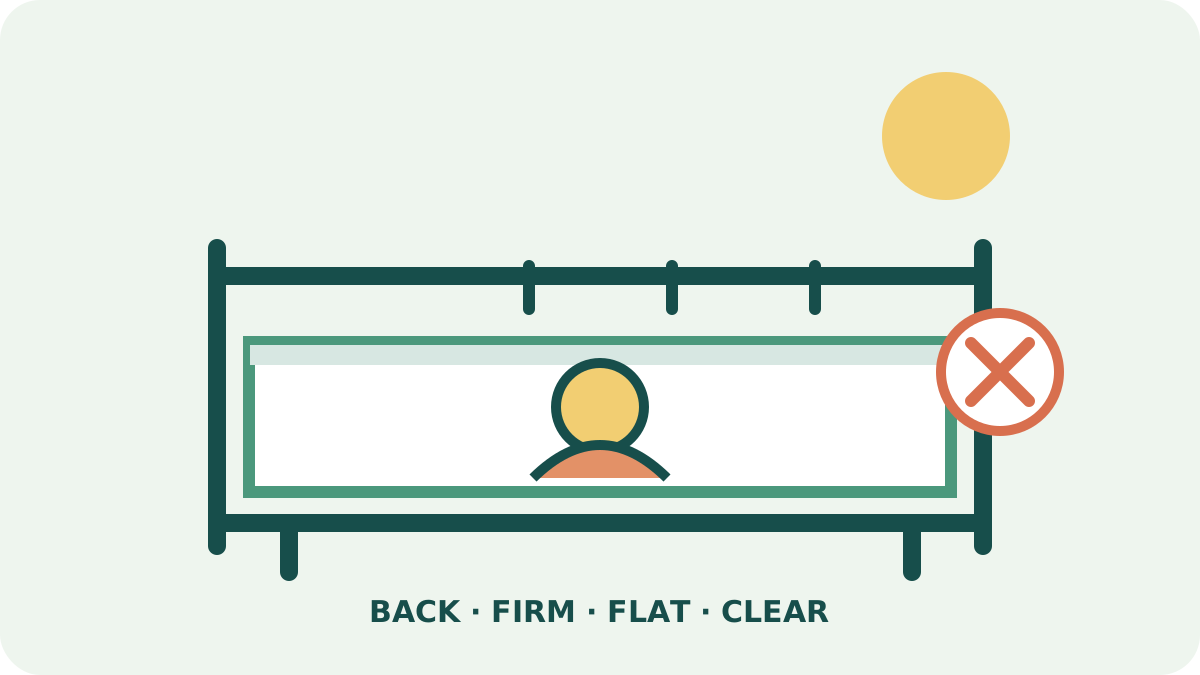
A safer sleep setup is simple: a firm, flat surface intended for infant sleep, a fitted sheet, and no pillows, toys, bumpers, or loose bedding. Place baby on their back for every sleep. The AAP recommends room-sharing without bed-sharing for at least the first six months; that is U.S. guidance, so discuss local and individual circumstances with your clinician. IDAI also advises back sleeping and a flat surface in its newborn-care guidance. AAP’s safe sleep guidance IDAI newborn-care guidance
Key takeaways
- Use a separate, firm, flat infant sleep surface that meets its instructions.
- Place baby on their back for every sleep, including naps.
- Keep the space clear of pillows, toys, bumpers, and loose bedding; room-share guidance varies by jurisdiction.
| Surface | Firm, flat, and intended for infant sleep; use the fitted sheet made for it. |
|---|---|
| Position | Place baby on their back for each sleep unless a clinician gives individualized instructions. |
| Sleep area | Keep it clear of soft objects and loose bedding. |
| Room setup | Follow current local guidance and the product manual; ask about your family’s circumstances. |
Check the space before each sleep
- Use a crib, bassinet, or play yard approved for infant sleep and follow its manual.
- Check that the mattress is firm, flat, and fitted with the correct sheet.
- Remove loose or soft items from the sleep space and place baby on their back.
- If baby falls asleep elsewhere, move them to the prepared sleep surface when practical and safe.
What to observe
Notice where sleep happens, whether another caregiver changes the setup, and what makes a clear surface hard to maintain. Share the exact product or a photo of its label with your care team if you are unsure it is intended for sleep.
A useful note to keep
A short family note can list the sleep surface, its manual or model, and the back-to-sleep routine agreed with caregivers. It helps keep handoffs consistent; it is not a sleep or health score.
A question for a clinician
Ask your clinician how current safe-sleep recommendations apply if your baby was premature, has a medical condition, or your family has a specific sleeping arrangement question.
Limits of this guide
This guide summarizes public guidance and does not resolve every family’s sleeping arrangements or replace individual clinical advice. Recommendations can vary by country and change over time. Tracking is not diagnosis; individual concerns belong with a qualified clinician.
Related Emomo guides: Baby development milestones across 0–24 months Everyday activities with a baby Browse all Emomo guides
Sources
Every figure in this guide traces to one of these sources.
- AAP HealthyChildren: A Parents’ Guide to Safe Sleep
- IDAI: Perawatan Bayi Baru Lahir
- U.S. CPSC: Safe Sleep
General information, not medical advice. Talk to your pediatrician about your own child.

- Category
- Parenting · Child development
- Type
- Baby milestone & activity companion
- Compatibility
- iPhone (iOS) and Android
- Business model
- Free to start, for little ones 0–24 months
 Press ContactThe Learning Time team